Tuesday, February 17, 2015

Colleagues Inspire Through Community, Camaraderie

A week before our annual World Geography and Culture Night was to happen, I was nervous.  Major details had not been worked out, I felt we may have too few participants, and I was fearful we may have a failure on our hands.  

IMG_2898.JPG
Inside the EarthView globe.
Our night has three components:  a potluck dinner for which families sign-up and bring a cultural dish or dessert to share, activities for families to have some relaxed fun while being exposed to geography and culture, and a performance.  The potluck and performance (the dynamic Genki Spark) were set, but we were without activities for our families - needing new ones to keep the event fresh.

We were stuck, trying to figure out what to do and how to convince others to run some activities that were not even planned yet.

But then, at our last meeting prior to the event, we had our own little miracle.  Several teachers, who had not been involved in the past events, stepped forward to take an active role.  And they responded in heroic fashion.

IMG_2856.JPG
Playing Loteria
The Spanish teachers, who were struggling to organize a dance activity for the evening, scrapped that plan and went with a simpler alternative: Loteria.  Their room was a big hit, as they energetically engaged families in Spanish, opening their eyes to a slice of Mexico.

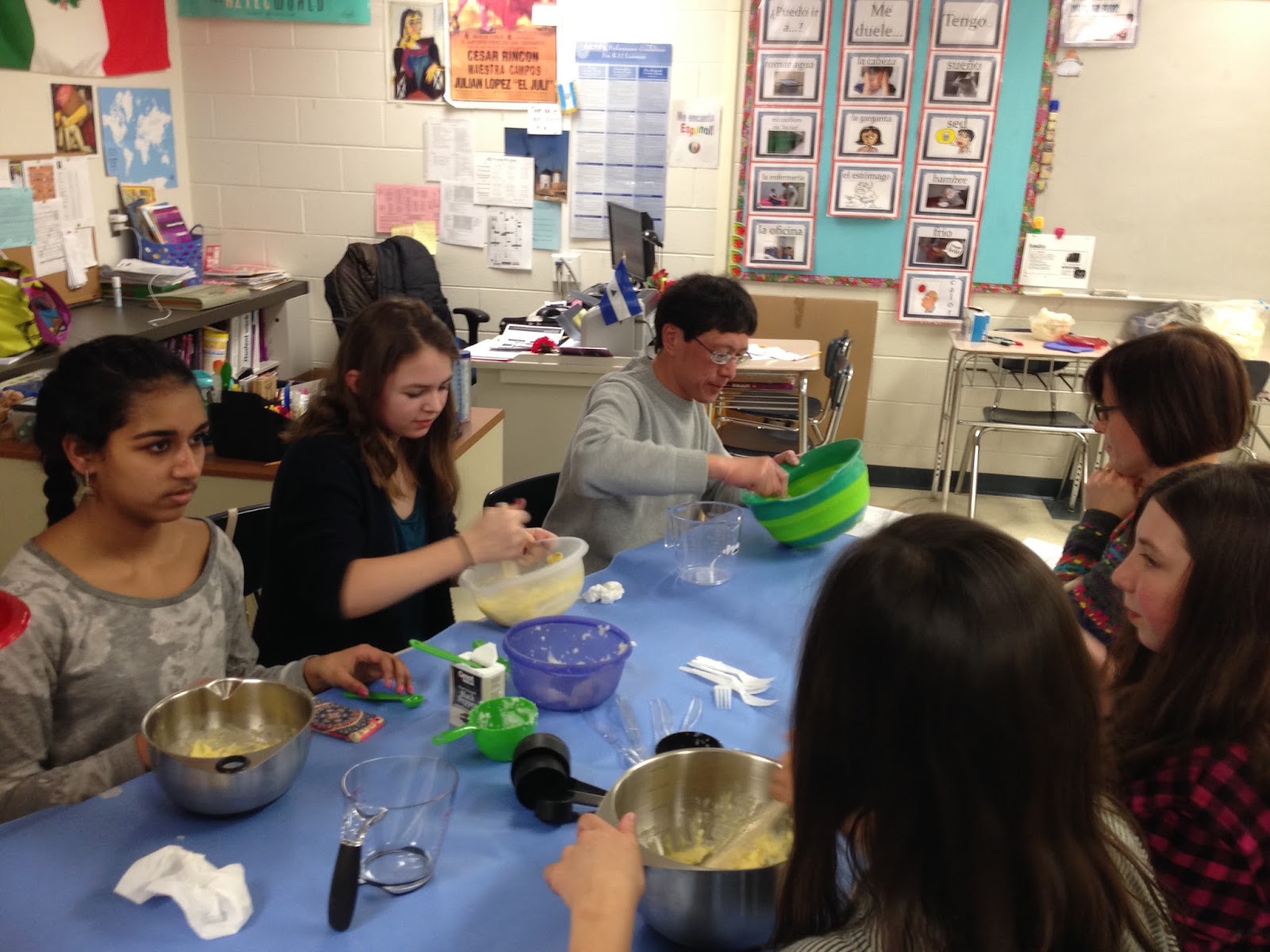
Our resident Crazy Reading Ladies, an English teacher and reading specialist, had an epiphany for an activity connected to this year’s AllIn! book Unbroken.  In the novel, Louis Zamperini’s mother makes gnocchi, so these teachers had families up to their elbows in mashed potatoes, giving them another access point to the novel while exposing them to a bit of Italian culture.
IMG_2848.JPG
Making Mama Zamperini's gnocchi.
The school’s art teacher jumped in, too.  She organized a paper quilt making activity.  Families could express their creative side while designing a square showing what culture means to them.  Her enthusiasm helped to capture imaginations.

Our fourth World Geography and Culture Night was our best ever.

We have always envisioned the evening as a school wide event, and our colleagues helped us move toward that goal.  Everywhere I turned people were enjoying themselves; students and their families were excited while happily gaining exposure to culture and geography.  The potluck is always a big hit, as are the performance and the unique EarthView globe.  But the spirit and creativity of our colleagues pushed the evening over the top.  They were not only hosting engaging activities, but they sold them to the families with great vigor.

My colleagues impressed me, made me more appreciative of their talents, made me feel fortunate to be part of such a vibrant team and community, and made me believe that, with their continued contributions, next year’s event will be our best yet.

 If you gain inspiration from your colleagues or host great events that you help organize at your school, please leave a comment. I would love to hear about them.
IMG_2868.JPG
The Genki Spark taiko drumming.

Monday, February 2, 2015

Hand Students the Reins; They Will Impress You

My middle school team has been having an ongoing dialogue with our students about the benefits of a growth mindset.  We have looked a little at how the brain works while learning and have explored goal setting as a tool that helps one to grow. We have been trying to encourage our students to push themselves, persevere, and be less concerned with a grade than with learning.
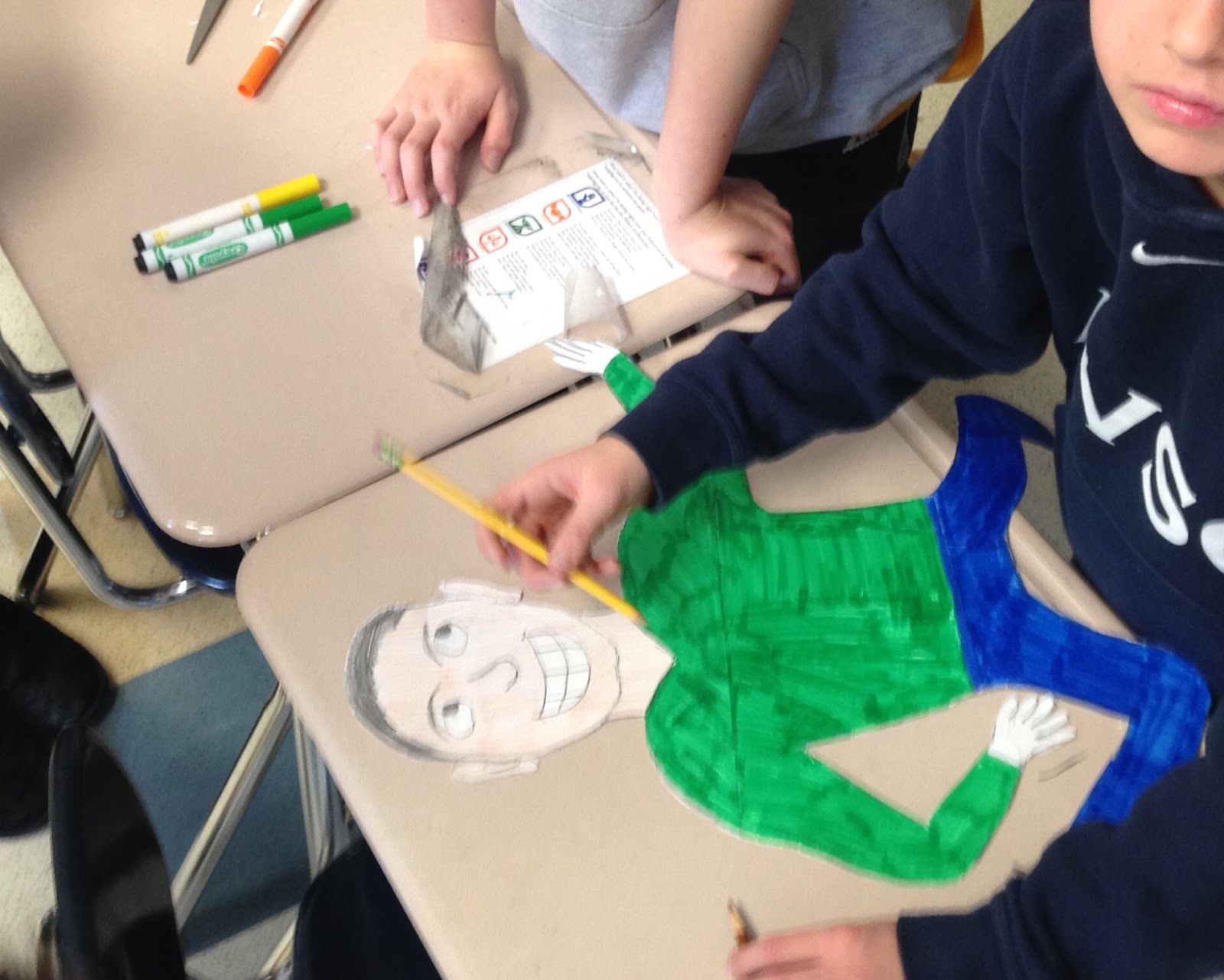
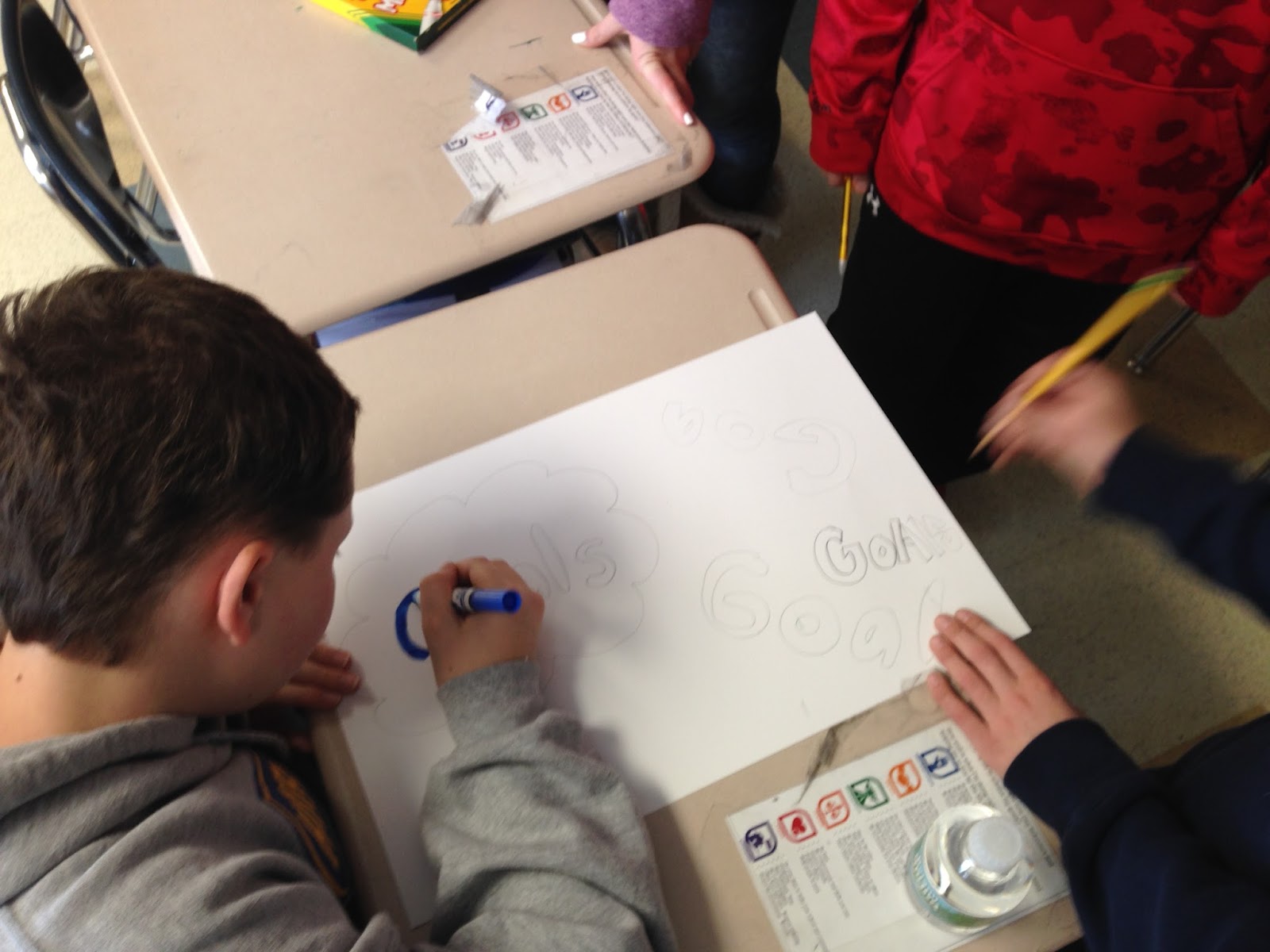
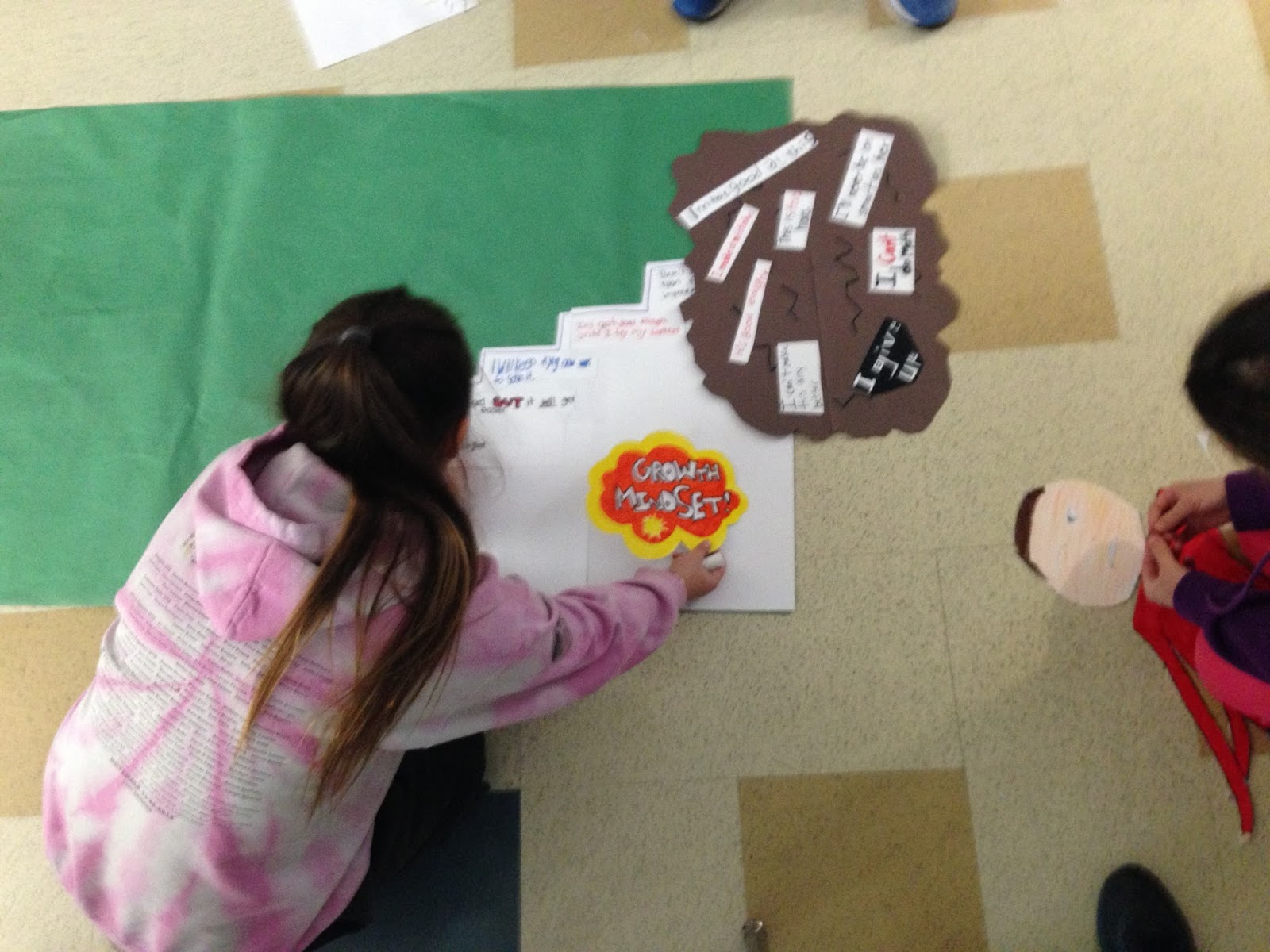
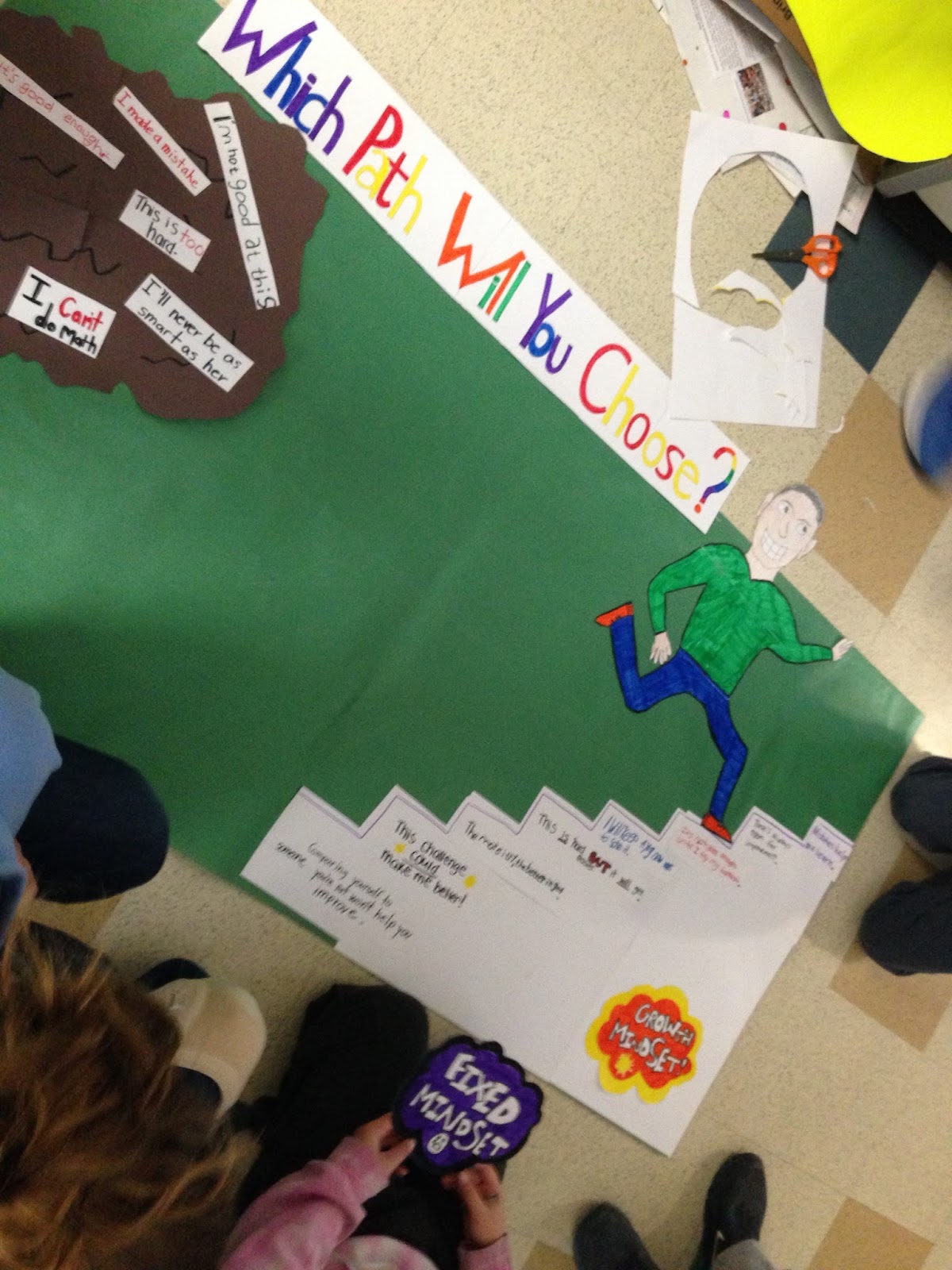
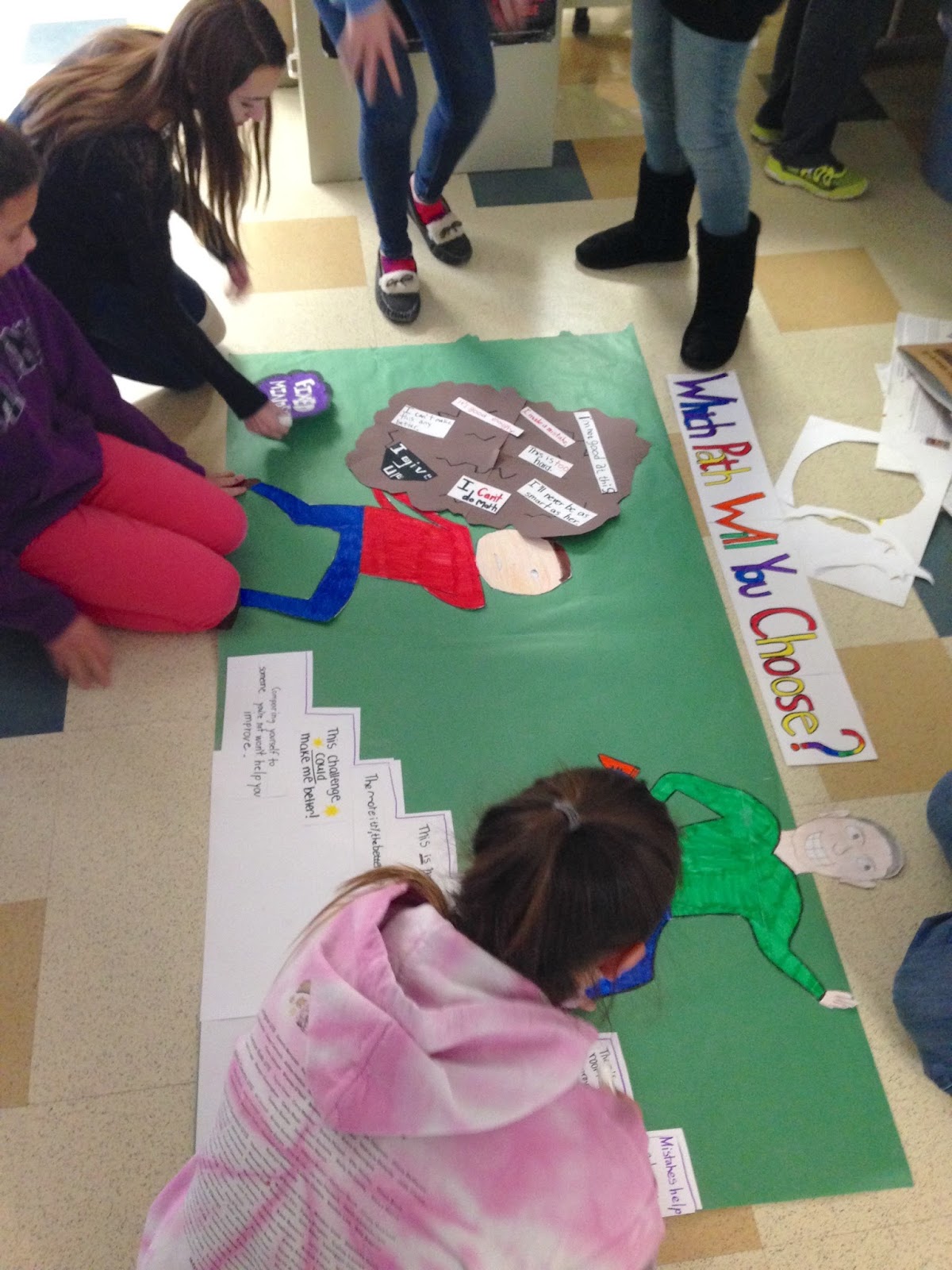
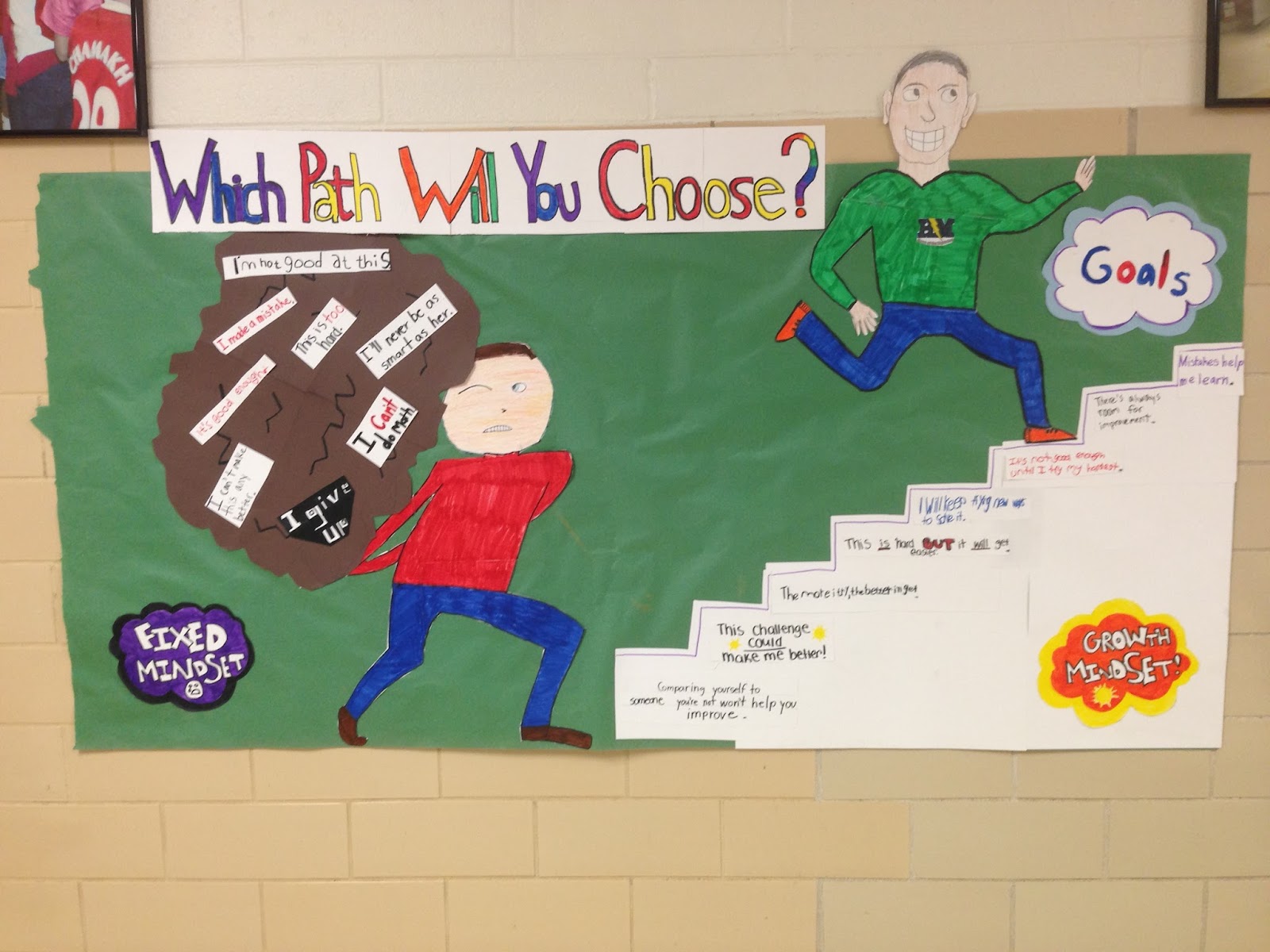
Recently we decided to have them explore growth and fixed mindsets once again.  This time we gave them a series of fixed mindset statements.  They brainstormed growth mindset statements which they could think and say to develop their growth mindset.  Ultimately, they were charged with developing a bulletin board poster that would show the value of a growth mindset.
They struggled initially, but eventually, they blew me away.  The students’ idea for the bulletin board was phenomenal and a true collective effort.  They divied the responsibilities and then went at it.  I am immensely proud of their final product and am tremendously pleased at how they pulled off the complex task.
The original goal was for the students to reinforce a growth mindset and expose the rest of the school to the ideas as well.  But what they achieved through their teamwork and efforts also reminded me that, when given responsibility and power in learning...when handed the reins, students will impress the teacher.

IMG_2780.JPG
Making the growth mindset character.

IMG_2782.JPG
Creating the title.


IMG_2786.JPG
Working on our goals.

IMG_2783.JPG
Starting to put the pieces together.

IMG_2785.JPG
Working with the puzzle they created.

IMG_2789.JPG
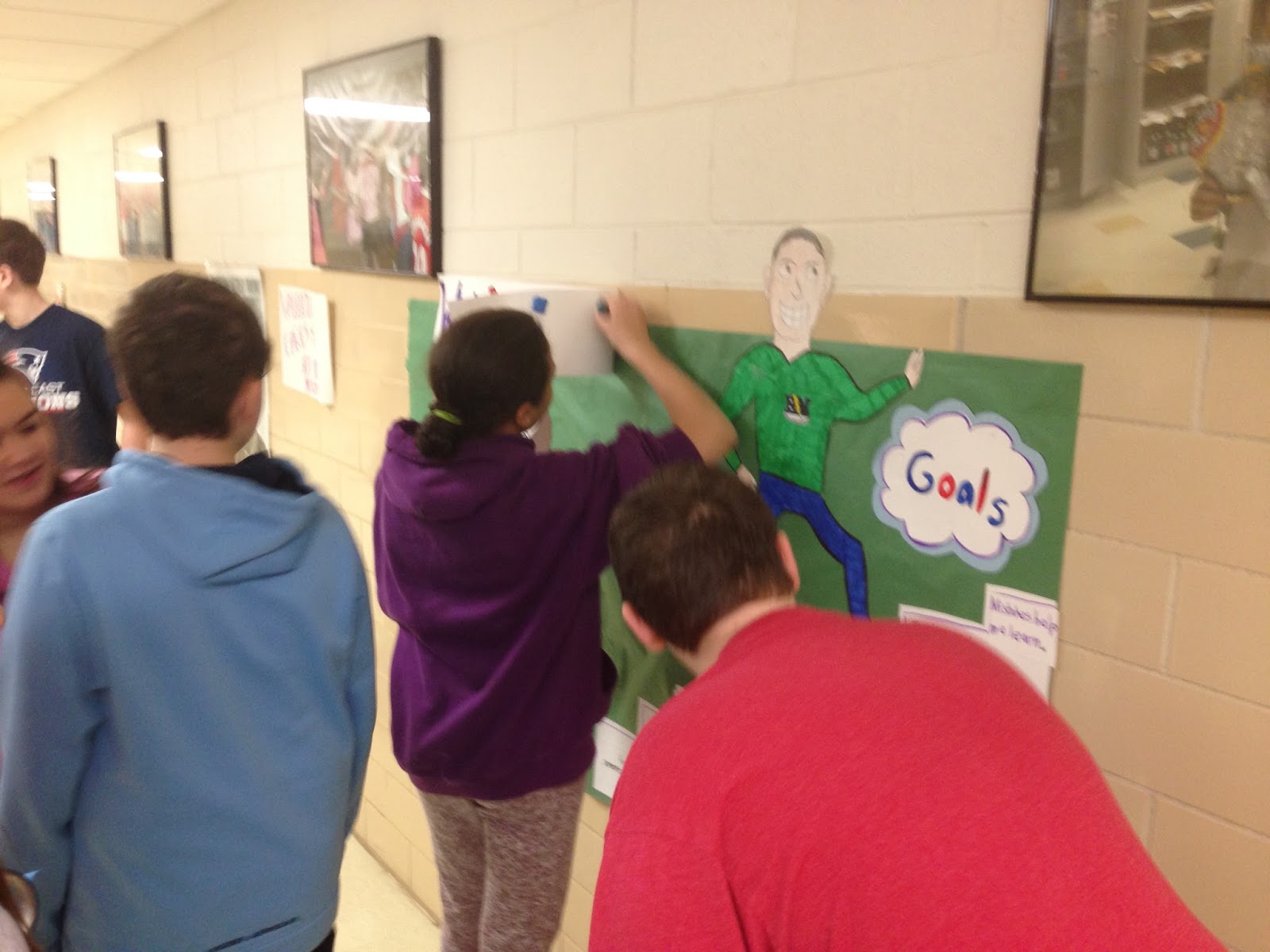
Nearing completion.

IMG_2830.JPG
Putting the poster up.

IMG_2831.JPG

The final product.

Monday, January 26, 2015

Meeting the Needs of ELL and Non-ELL Students

Meeting the needs of students whose primary language is not English can be challenging.  To encourage the students’ mastery of English, as well as content, classroom teachers should address the language domains of reading, writing, speaking, and listening.  By giving students opportunities to use language in these ways, English language learners (ELLs) will become more competent in English while developing content knowledge.

During a sheltered English instruction course, I was exposed to a variety of strategies.  Some of the strategies jumped out as me as having a big bang for the buck for both ELL students and others.


Partner Reading
I was first exposed to partner reading through Larry Ferlazzo (http://larryferlazzo.edublogs.org/).  Simply, students read aloud in pairs.  They alternate reading paragraphs and can do a variety of things to process the information after each paragraph, all involving discussion:  one sentence summary, circle key terms, draw the main point, question the paragraph makes you think about, etc.
This process slows the students down and makes them think more deeply about what they are reading.  All the students have multiple opportunities to manipulate the information.  I continually go back to this strategy, as it benefits each student.  In addition, if the reading were assigned for home, a percentage of students, especially those who struggle with reading, would not engage.  This strategy makes a difficult task far more engaging and productive.


Vocabulary/Idea Carousel
This strategy proved great as both a review and a prewriting activity.  Students are put into groups of four to five with one sheet of paper.  They are given a focus and need to write one thing associated with it before passing it to the next person in the group who would then add another item.  The paper keeps going around the group for a minute.  When a minute is up, each group shares their list to the class.  They are given a few minutes to review their materials: reading, notes, handouts, etc.  They then follow the procedure for another minute but cannot repeat anything their group wrote in the first round.
The students are exposed to a variety of ideas while reviewing or  prior to writing.  Instead of having students brainstorm individually, this collective means of brainstorming, complete with the sharing aloud, exposes students to far more ideas.  Students often stumble out of the gate trying to come up with ideas about which to write.  Instead, this strategy allows the student to start strong with a ready made list of key ideas and vocabulary which they can use to focus their writing. It also broadens their understanding as they review information.


Write Around
Students sometimes balk at writing.  The write around gets them to write in a more social setting and allows them to review ideas as they write.  The students each start with a piece of paper and a prompt or sentence starter.  They each write a sentence on the paper they have and, when done, pass it to the person to their right.  They then read what is written on the paper and add another sentence to the new paper.  They keep reading, writing a new sentence, and passing the paper to the right until the teacher asks them to stop.
Content is continually reread and the task of writing does not seem as daunting (compare it to asking the students to write a summary on a topic by themselves).  By blending the writing talents of several writers, there is exposure to a variety of understanding.  Write around has been a both a great review and writing activity.
_______________________

These three strategies are highly engaging for all students.  They also engage the ELL student in reading, writing, listening, and speaking while offering enriching opportunities to gain mastery of content.
  If you have any positive experiences with these strategies or others, please leave a comment. I would love to hear about them.

Thursday, January 1, 2015

Every Day for a Year (Almost): A Lesson in Perseverance

With the start of a new year, I rarely look to resolutions and areas of improvement.  I try to do that on more of a daily basis, starting every day with the notion of improvement, large and small, from the previous day.  When I stumbled upon the idea of a 365 project, however, January 1st seemed the natural starting point.


I also decided I would challenge my students to complete a 365 project with the promise that in a year’s time we could meet as a group to share what we accomplished.


I don’t recall where I first heard of the 365 idea, but, upon investigation, I did come across the 365Project website, so I directed the students there to get a flavor of what a 365 challenge could be like.  Although the website focuses on taking photographs, I encouraged students to think of other things they could do instead.  They could make note of what they did (since they had not photo evidence) and could then share.  We discussed challenges, amongst others, such as the following:


  • a random act of kindness each day
  • saying “hello” to someone new each day
  • listening to a new song each day
  • choosing a theme for photographs: trees, breakfast, whatever is behind you at a certain time of day


To encourage them, I tried to put students at ease, noting that it would be okay if it didn’t happen every day, that sometimes life may get in the way.  I also pointed out that 365 was a goal, and if they came up short in other ways, then that was okay, too.  Another wonderful thing about a 365 challenge, I relayed to the students, is that they could start one on any day, not just January 1st.  (I encouraged students again after the first with this tactic and again a few weeks later.)  When the year was up, we could share, as much or as little as we accomplished, our success or our failures.


Twenty-six students said that they were going to to a 365 project.


Did any actually followed through on this difficult task?   (I believe I recall one student mentioning she had been taking pictures of her breakfast.)  I will touch base with those students who said they wanted to attempt the challenge and call them together to share.


I’m interested to see what any of them have accomplished.


As for myself, I have come to value the 365 challenge, and upon recent reflection, want to challenge my new students to throw their hats into the ring.  A 365 project is really one about perseverance, as it is easy not to follow through.  It was difficult to complete my task every day, especially without feeling or being repetitive. There is great satisfaction in the accomplishment.  It has been a very positive experience for myself, and I am quite impressed with some of the photos I took for my challenge.  These characteristics make the task one students should partake in, as they can then provide another model for themselves of working through a difficult task, achieving a goal, having a positive experience, and, perhaps, even inspiring others.  


My 365 project from 2014 was to take photographs of whatever was above: UP.  Some photos come from a perspective that I could not (or generally would not) physically get into.  There is one photograph that was not taken of what was above - it was of the clouds in an airplane, so I felt it qualified.  Although I did not meet my goal of a photo a day or 365 photos, I am pleased, especially with some of the more intriguing perspectives.


Below you will find the photos that complete my challenge for 2014.  Now, I need to figure out what to do for 2015.  I challenge you to throw your hat into the ring as well.  Good luck!


If you have ever completed a 365 project challenge, I would love to hear about it.  Please share in the comments.

Tuesday, December 9, 2014

Engaging Students with Free Online Tools


With my classes, I have been able to incorporate several free apps and online tools throughout the last several years to meet learning objectives.  Using technology can motivate students and enhance student learning.  Free apps and online tools can be used with students to accomplish this.  I have grown accustomed to using different ones regularly with my students.  At the prompting of some colleagues, I offered a workshop to expose other teachers to some of the free tools that I have used with students and for myself.  The following is some of what I shared.


Tools to Access Information


URL Shorteners
URL shorteners are web applications that allow you to shorten URLs so that they are not so long and cumbersome.  They are useful for a variety of purposes:
  • Students do not need to write/type a lengthy URL
  • Looks neater when shared via email or on the web
  • Easier to share via social media
Some URL shorteners that I have used are goo.gl, tinyurl.com, and bitly.com. You simply enter in the URL and the tool will shorten it for you so you can copy it and paste it where you need it.


"Search Engines”
12373788014_771767b622_z.jpg
Flickr. Yahoo! Web. 27 Nov. 2014. <https://www.flickr.com/photos/projectdiscovery/>. CC
These search engines are a little different than what you expect from a typical search engine like Google or Bing.  I have found them valuable for my own purposes, but students see the value in using them, too.
  Instagrok presents students a visual in the form of a web to share results.  Information is sorted by key facts, websites, images, etc.  There is also a feature by which you can alter the complexity of the visual which helps different levels of students.  The best feature is that Instagrok instantly offers topics related to the topic that has been searched.  My students will conduct research by typing the same term into a search engine again and again and again…..  This provides them alternatives to combine with their topics and also gives them the sense that they need to attack research from a variety of angles.
I often have difficulty getting across to students the need to appropriately use images from the internet. They find it so very easy to copy and paste.  Creative Commons encourages the sharing of work by its creator by offering license alternatives to copyright.  These licenses (explain in the chart linked here) permit others to use and build upon the creator’s work.    Creative Commons Search assists in culling images, music, video, etc. from the web that give permissions (under a variety of restrictions) for other to use.  Teaching students to navigate Creative Commons Search has made them far more aware of copyright and the need to value other people’s work.  


Modifying Content
  Some students struggle with reading.  Summarize This shortens texts pasted into the tool.  It is no less complex but rather is truncated so that a student would be working with the same albeit a shorter amount of text.  Students who struggle to read benefit from working with a shorter piece that gets across similar main points as the longer version from which it was born.
  Rewordify works with either text pasted into the tool or with a URL pasted into the tool.  It identifies words it deems as difficult and offers replacements.  Settings can be altered so that the word is replaced while the original term appears with a mouse-over, or the original can remain with a simpler alternative appearing with the mouse-over.  It also offers pronunciation for those complex terms.


Tools for Sharing Information
Each of the following requires signing up for a free account.


  Today’s Meet allows the teacher and the students to have real-time conversations.  Although you can use it without signing up, a login gives the teacher greater controls.  Once you create a “room,” you provide the students with the URL generated from Today’s Meet, and students can leave comments.  The teacher monitors the discussion and can provide guidance for the path the conversation takes.  Teachers can use it to backchannel during a video so that students are processing information and responding to others while viewing.  The conversation during the video can enrich the viewing experience.  Today’s Meet can also be used as a warm-up at the start of class, as an exit ticket at the end of class, or for a review session either during or outside of class.
Another tool that I have used so that students can share is Padlet.  The teacher creates an area which can either be embedded on a webpage or accessed via a link.  Students can post sticky note-like responses to prompts and can include links or photos.  Padlet can be used to have the students crowd-source information, to share perspectives, as an exit ticket, etc.  In this linked example, students create sentences showing their understanding of a vocabulary term.
  The teacher or the student could use Thinglink to produce an interactive image.  The creator can put hotspots on an image which provides links or videos where information can be accessed.  A teacher could use Thinglink to present directions or procedures, as a springboard for student investigations, or simply to present information. Students could also present their own information as a project. I created a Thinglink on timezones for my students as a starting point for investigation.
  Classtools provides an array of tools for teachers to use in the classroom and does not require a login to use.  Tools can be used to engage students in demonstrating their understanding:  Twister creates fake tweets, Fakebook generates a fictional social media profile, and SMS generator creates a fake text message exchange.  There are game generators, critical thinking and writing templates, timers, a random name picker, and myriad other tools that can engage students.  Definitely a site to visit to access a wide range of tools.

  If you have any positive experiences with these free tools or others, please leave a comment. I would love to hear about them.
Related Posts Plugin for WordPress, Blogger...