Saturday, August 1, 2015

Powerful Processing and Reflecting with Visuals

Splashed all over Twitter are sketchnotes.


Their potential as a visual taking notes was intriguing since I know many of my students benefit from connecting visuals to their learning.  I saw a lot of potential in students manipulating their notes to transform them into sketchnotes.


In particular, I noticed the work of Silvia Tolisano (her Langwitches blog) and Sylvia Duckworth (her blog post on sketchnotes).  Their renditions of keynote speeches, conference sessions, and how-to’s captured my interest and compelled me to investigate how I could sketchnote on my tablet (I like to attempt tasks on my own prior to asking students to engage, as I wouldn’t want to ask them to do something without doing it myself.).  


As I went into this year’s Blended Learning Communities (BLC) conference in Boston, Massachusetts, I was determined to produce some sketchnotes.  The presenters make the event a great opportunity for learning and reflection so I knew it would be a good opportunity.


There are many different free apps one could use.  (But with students, I would initially encourage the use of paper to eliminate the distraction of a new tool while getting their feet wet with sketchnotes.) Prior to the conference, I settled on Autodesk Sketch . It is easy to use and has additional tools that can be purchased if I feel the need.


Some who produce sketchnotes can do so while someone is presenting.  Being a novice, I did not feel comfortable attempting that for fear of both frustration and missing things I wanted to hear.  Instead, I just took notes.


After the conference ended, I went back to my notes and started working out some sketchnotes.  I was delighted with the processing that took place.  

My experience further emphasized that creating sketchnotes would be a great opportunity for students to reflect upon and process information.  There is great value in rehashing information and recreating it in a visual form.  I can also envision students collaborating to plan out their sketchnotes to add an additional layer of processing. I look forward to introducing sketchnotes to my students.


Below are two examples of sketchnotes that I produced at BLC.

If you have experiences creating your own sketchnotes, creating them with students, or if this post has generated some thoughts of your own, please share them in the comments. I would appreciate hearing about them.

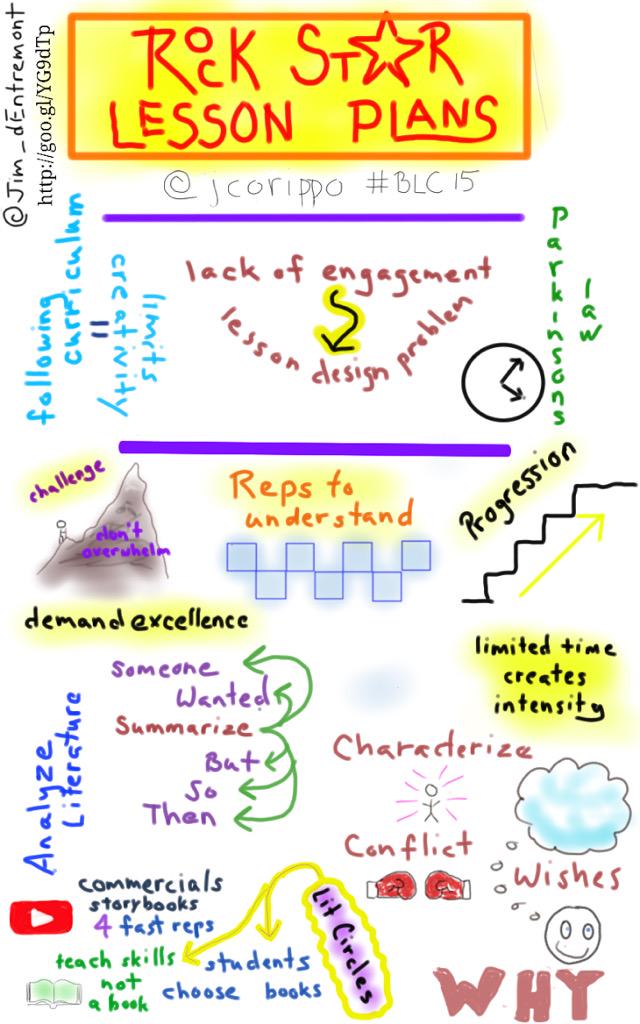
transforming learningblc15.png


CKnEJyqW8AANWro.jpg:large.jpg


Saturday, June 27, 2015

Sharing Your Own Learning With Students

Students need to be given the opportunity to take risks and to be creative.  Of course, when putting that expectation on students of making themselves vulnerable, shouldn’t we teachers do the same?
I do share with students when I’m trying something in class for the first time.  I encourage them to, “Let’s see how this goes.”  I also ask for feedback afterwards to better gauge the level of success.
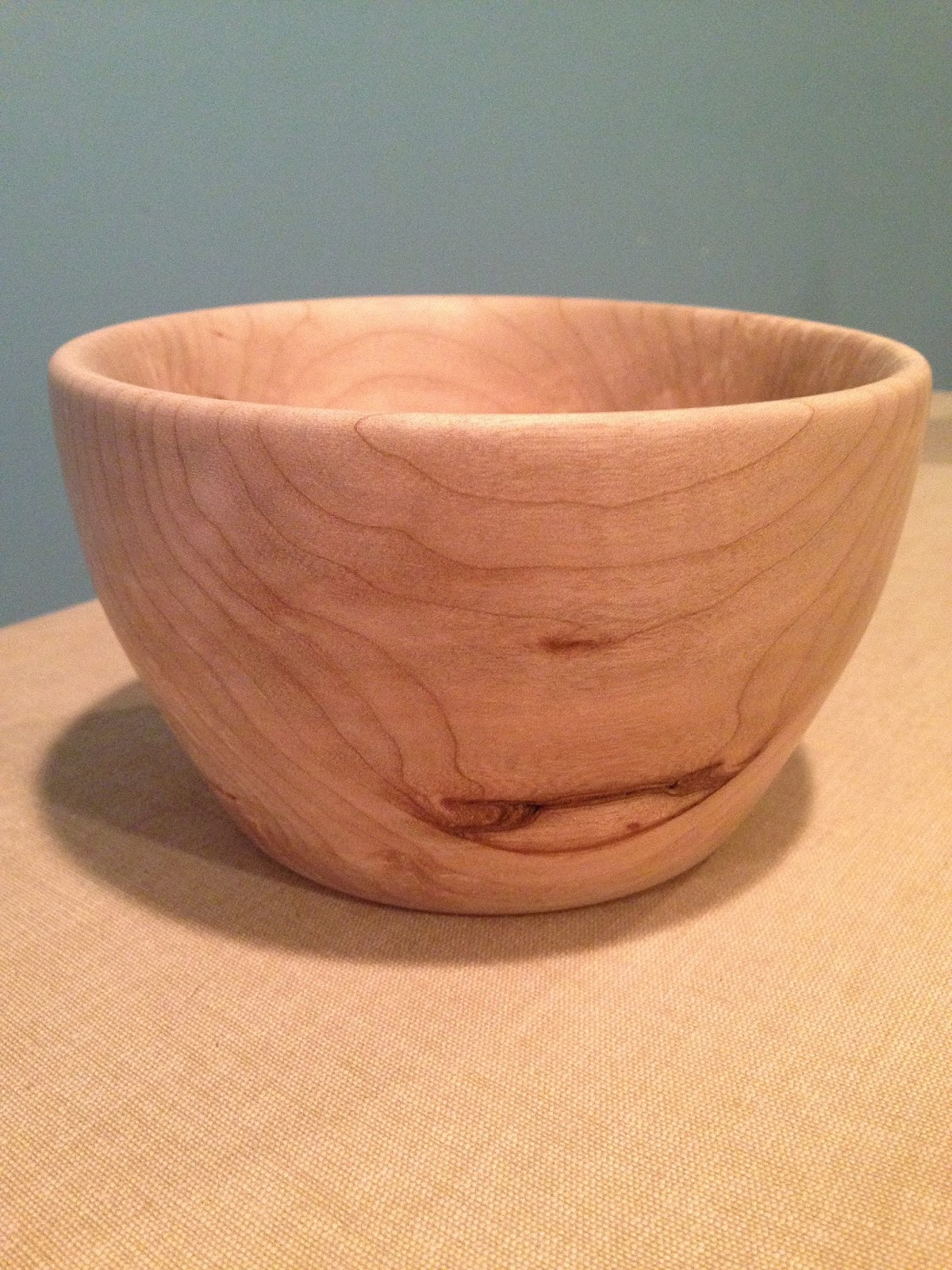
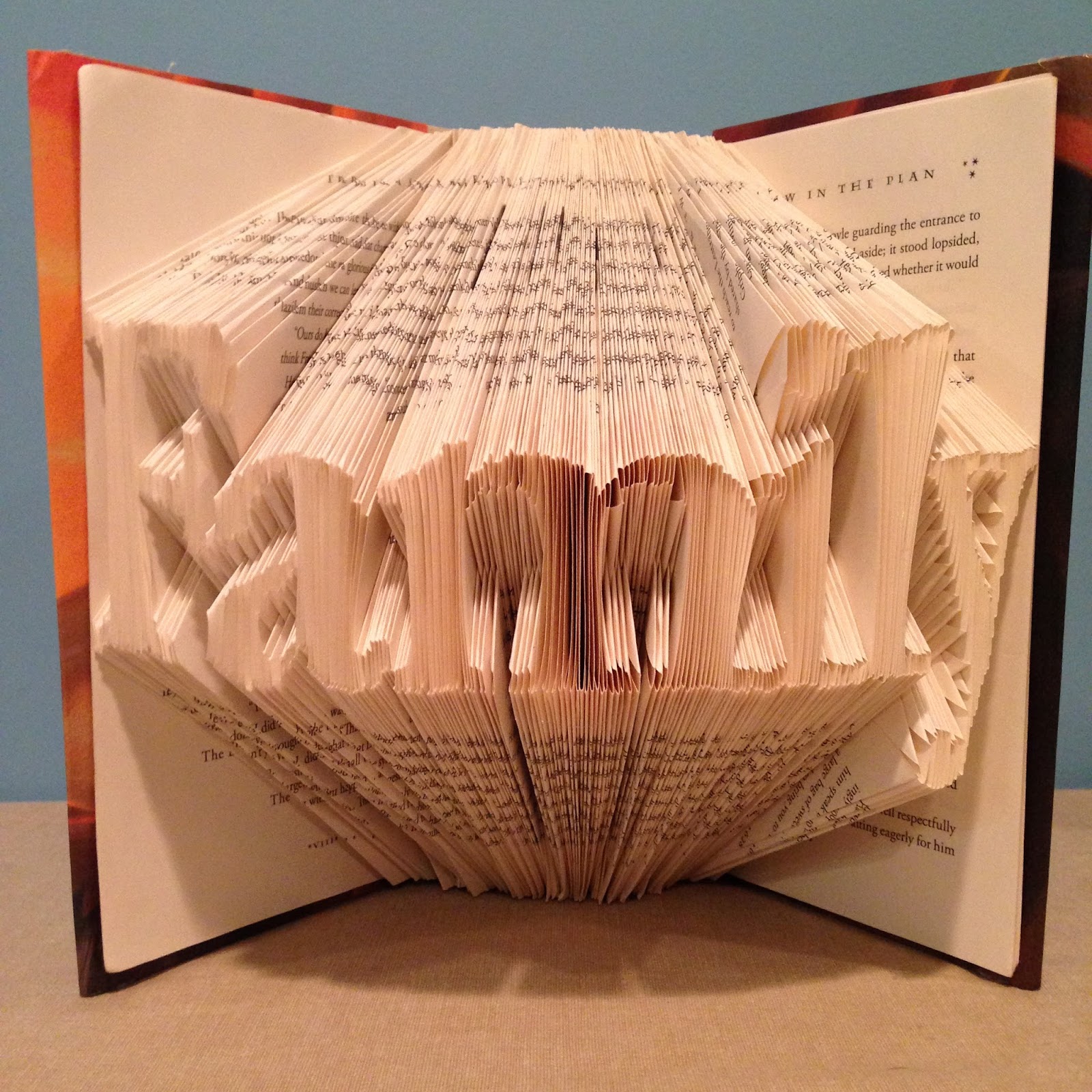
Outside of school, I like to explore new things - my creative side. Below are some things I have created over the last year.  (I actually started creating mazes in high school but continue to explore new techniques.)
IMG_2757.JPG
A wooden bowl I turned on a lathe under my father-in-law's tutelage.
IMG_2600.JPG
Folded book art. I used a fairly beat up copy of HP and the Deathly Hallows.
maze.JPG
Click on the image for a PDF you can print to try the maze.


I expose this side of myself to the students.  Sometimes, like with the mazes, I’ll show them how they can create their own.  I also expose to them the difference between a labyrinth and a maze.  Other times, like with the folded book, I disclose some of the struggle I went through in learning and doing the project - it took me about a year to figure out how to create the book efficiently and effectively.

I believe that sharing some of myself and my own learning engages my students on a more personal level and that it also gives me the opportunity to model the vulnerability I expect from them.  I hope that it encourages some to be a bit bolder in their appropriate risks, creativity, and persistence.

If you have experiences sharing your own learning process with students or if this post has generated some thoughts of your own, please share them in the comments. I would appreciate hearing about them.
Sunday, June 21, 2015

When Done Is Not Done

Recently, I allowed students to design their own learning around certain state/district standards. The process was a good one (described in the post: Enhance Engagement with Ownership), and both the students and I learned from it.  Although I feel it was a good experience for all of us, I would tweak it in one significant way.

Students working on a Common Craft style video.
The students, in forming their own groups, were very engaged with their partners as well as with the content.  Throughout their stage of acquiring information, I checked in with groups and individuals to make sure their understanding was on track.  I also encouraged them to share drafts of their work with me - several did through Google Docs - so I could give them more feedback.  I was satisfied that they were understanding the important ideas.

Something went amiss, however, as they put together their final products: podcasts, videos, web pages, etc.

During that creation process, they seemed to lose a sense of their understanding.  It was still there, but most could not seem to express it fully and clearly in the medium of their choice.  There were more gaps and misunderstandings that showed in the formal project than there were in my informal check-ins as they worked.

Frustrated that they could not siphon their understanding into a high-quality final product, I have decided that done is not done.

I can have students share their work with me, give them feedback, and then go back at it.  Just as they may write an essay or story and the teacher pour through it giving feedback, I can do the same for a video, web page, or podcast.

They may resist because they are comfortable with having a project be done once they turn it in.  But to encourage high quality, to show students they can improve their work as they work through it more, and to have students create work that better shows their understanding, I will give them feedback and have them revise. Done will not be done.

If you have had positive experiences with students designing their own learning or if this post has generated some thoughts of your own, please share them in the comments. I would appreciate hearing about them.
Sunday, May 31, 2015

EdCampBoston Allows Teachers to Get Better Together


     Even though I had heard good things - virtually - about EdCamps, I wasn't entirely sure what to expect at my first. But, after experiencing EdCampBoston, I would venture to another EdCamp.


    People were passionate and invested. They wanted to share, and they wanted to learn from others. While at conferences, a lot of the best learning happens in side conversation or in discussion between sessions. EdCamps seem to try to capture the power of learning informally from your peers.


    No one touted themselves an expert, but all carried unique experiences and perspectives. The common desire to share and to learn energized the 200 participants in discussing a variety of topics including grading, passion, classroom management, and critical thinking among many others. There were great opportunities to engage with peers, learn, and grow as a teacher.


    I was disappointed the facilitator did not show up to the green screen session, but in true EdCamp fashion sharing and learning still took place. Others shared their experience and ideas, making it time well spent despite the awkward start.


    One highlight occurred during lunch - an impromptu Skype session with Dave Burgess (@BurgessDave), author of Teach Like a Pirate. He invigorated the crowd speaking about passion in his non-stop, humorous style.


    EdCampBoston was not perfect but was worthwhile. There is much to gain from teachers engaging teachers to all get better together.  I would recommend you each experience an EdCamp at least once.

If you have had positive experiences with EdCamps or if this post has generated some thoughts of your own, please share them in the comments. I'd love to hear about them.

Sunday, May 17, 2015

Enhance Engagement With Ownership

The end of the school year can be hectic and exasperating.  As the warmer weather hits, students interest can wane.


To combat that this year, I have tried something different.  Instead of leading my students through geography lessons and telling them what to do, I threw it on their shoulders.  I told them what they needed to learn over the next few weeks.  I told them I wanted them to create something that demonstrated what they learned.  I then asked them what it was going to look like over the next few weeks.


I urged them to reflect on their past experiences, and they brainstormed as a class while I scribed on the board.
    • They came up with the following:
    • They would work in groups.
    • They would choose the groups.
    • They would choose a focus from my suggestions.
    • They would choose their project.
    • They wanted a process to guide them
    • They wanted to be given resources.
    • They wanted to be able to use additional resources.

I added that I wanted them to address the “Who cares?  Why should anyone outside of people there want to / need to know about it.”  I pushed it further that they include some sense of what other people could do to address any struggles or issues that people related to their topic may face.


They responded positively, some nodding silently while I described my addition as if it made perfect sense.  The projects they are choosing to create are interesting and varied.


I also presented a teacher’s dilemma:  How will the teacher know who knows what?  They all admitted being in groups when some members did nothing and they all received the same grade.  After debating options, they concluded that, although they did not want some sort of individual assessment, it would be efficient to take a quiz on their topic.

They basically designed an investigation that I pretty much could have thrown together myself.  By trusting the students and allowing them to take ownership of the learning process, I hope their learning experience will be enhanced in both understanding and quality.  I also hope that they will be more engaged over the next few weeks than they might have been.

If you have had positive experiences with allowing students to design their own learning or if this post has generated some ideas of your own, please share them in the comments. I'd love to hear about them.

Scroll over the yellow circles below to see what different groups are working on in this class.
Related Posts Plugin for WordPress, Blogger...