I want my students to learn.
I want to empower my students as well.
I want them to realize success as independent learners.
To realize these ends, I have encouraged student voice and choice more and more through the years. Last year, I handed the students the reins for a PBL experience around the United Nations Sustainable Development Goals.
To further students on their path of self sufficiency and to stimulate their growth as learners, I want to improve feedback in my classroom. I want it to be more frequent, more efficient, and, most of all, used by students. (Too often, it seems, feedback given on their work is not thoughtfully considered by students, while feedback through conversation will only be implemented in the moment.)
I look to the following three resources to help.
Creating a Culture of Feedback
To support feedback as a norm in my classroom and to enhance self sufficiency, students will need to self assess. This will require guided practice.
In Creating a Culture of Feedback by William M. Ferriter and Paul J. Cancellieri, I was reintroduced to the video Austin’s Butterfly: Building Excellence in Student Work. The clip shows how students, with direction, can successfully provide specific, constructive feedback for peers and themselves. They need to build this skill to become better learners and to enhance their ability to produce high quality work independently.
By sharing the video with students, giving them guidance, and having them practice, students will gain confidence in their ability to both self assess and peer assess. As they become more comfortable with self assessment they will gain the ability to independently create higher quality work.
Live Exit Tickets with Google Forms
I was introduced to Kevin Zahner through Twitter and was excited to find his blog post on on exit tickets.
He describes how students complete their exit tickets with a Google Form and results go into a Google Sheet. Zahner links a sheet to the form that was created using Alice Keeler’s RosterTab Template. This allows a separate tab in the sheet to be generated for each student.
He also creates a query so that the students are then able to see their own responses from the form in their own Google Sheet. The most compelling part is that the feedback the teacher provides within the individual student tabs can be seen immediately by the student.
 This could be used for either exit tickets or tickets to board. Giving immediate and ongoing feedback during class would give students the chance to act on that feedback. This should be highly effective and powerful.
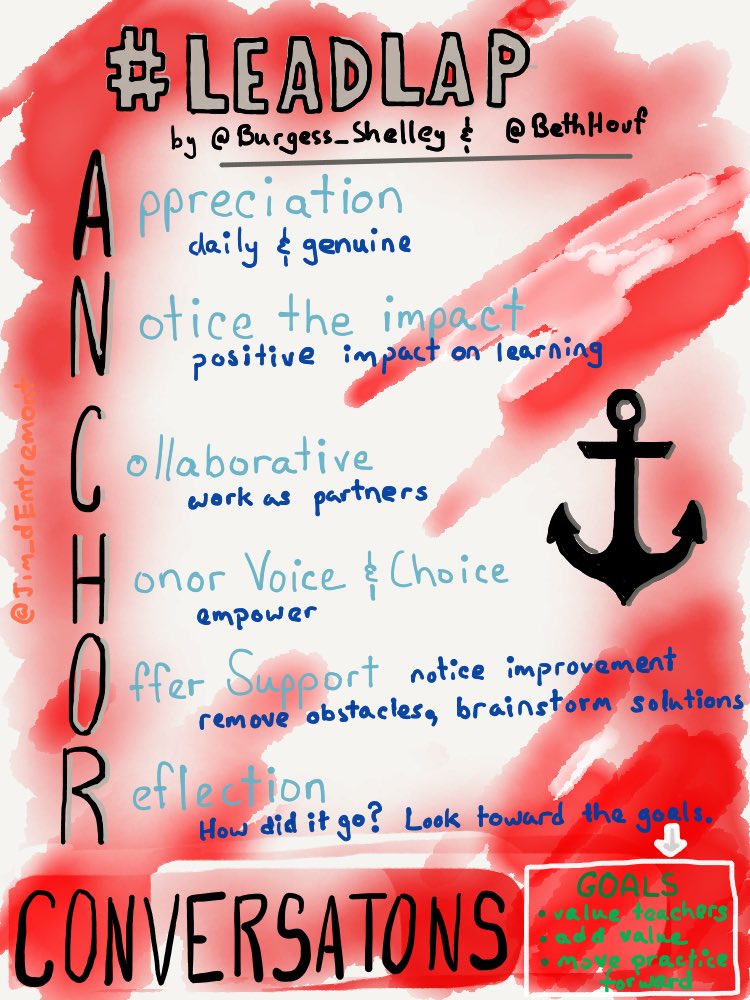
ANCHOR Conversations
Lead Like a Pirate by Shelley Burgess and Beth Houf focuses on developing school culture. One thing they share is ANCHOR conversations.
Even though the ANCHOR Conversation practices are geared toward feedback between adults, I can see how students would benefit from similar guidelines. Embedded in ANCHOR conversations are developing trust, valuing the other person, remaining positive, and highlighting improvement.
I want to more routinely conference with students to provide them feedback. Using the ANCHOR Conversations guidelines will remind me how to maximize my interaction with students, making the feedback more productive.
I look forward to incorporating these three ideas so my students can receive better and more efficient feedback while developing their confidence as independent learners.
If you have had success having students use effective feedback, or if this post has generated some thoughts of your own, please share in the comments. I would appreciate hearing from you.

 Posts


